Every day a patient spends immobile in a hospital bed, their body is losing ground. Muscle. Cardiovascular fitness. Functional independence. The clinical evidence is overwhelming and the cost is staggering.
Published literature associates prolonged bed rest with a cascade of progressive physical changes. Here's what the evidence shows.
Timeline — 0–24 Hours
Cardiovascular Deconditioning Begins
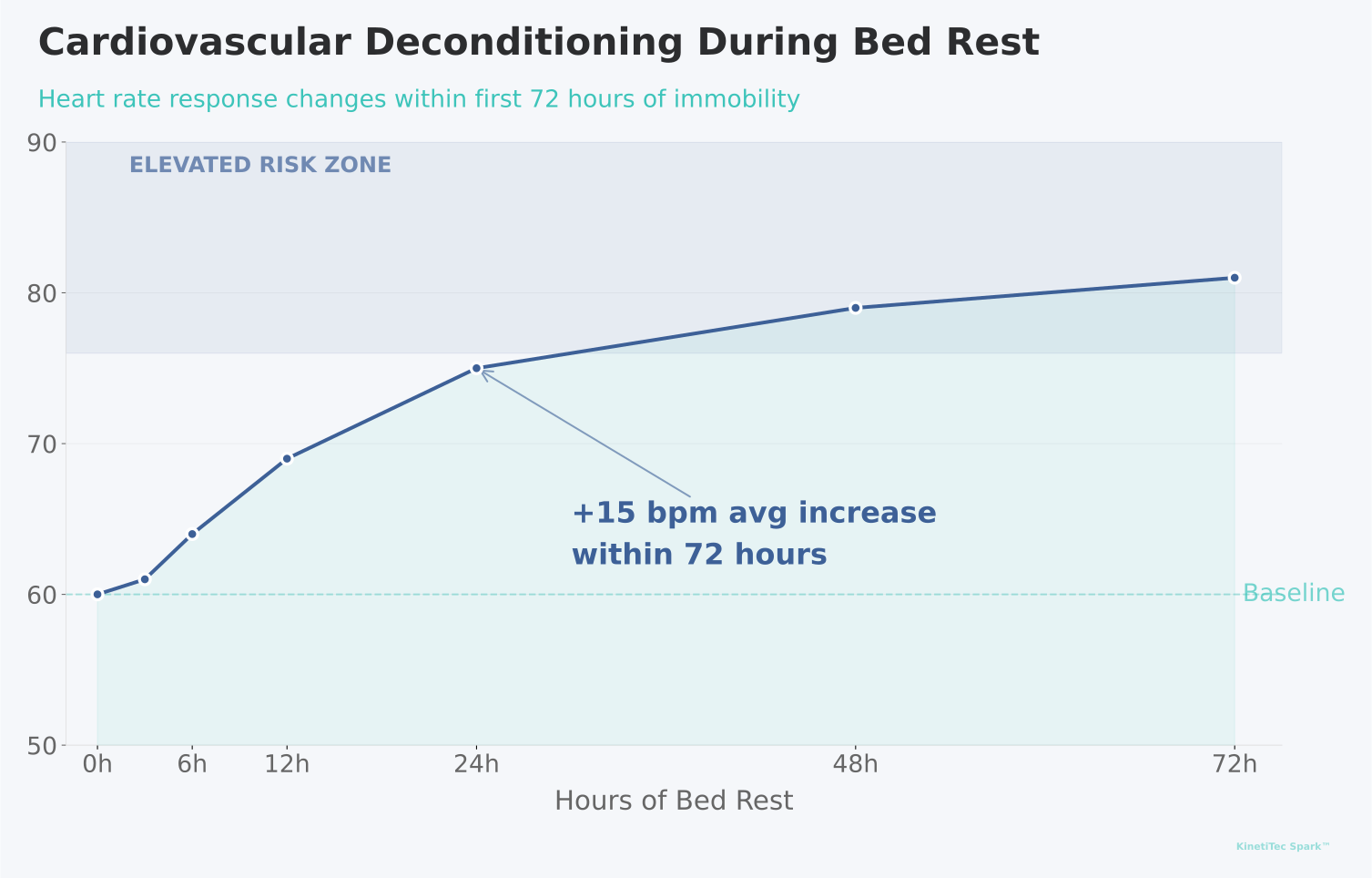
Within hours of bed rest, resting heart rate increases, stroke volume decreases, and orthostatic intolerance begins. The cardiovascular system starts deconditioning before the first full day is over.
Timeline — Days 1–3
Muscle Protein Synthesis Drops
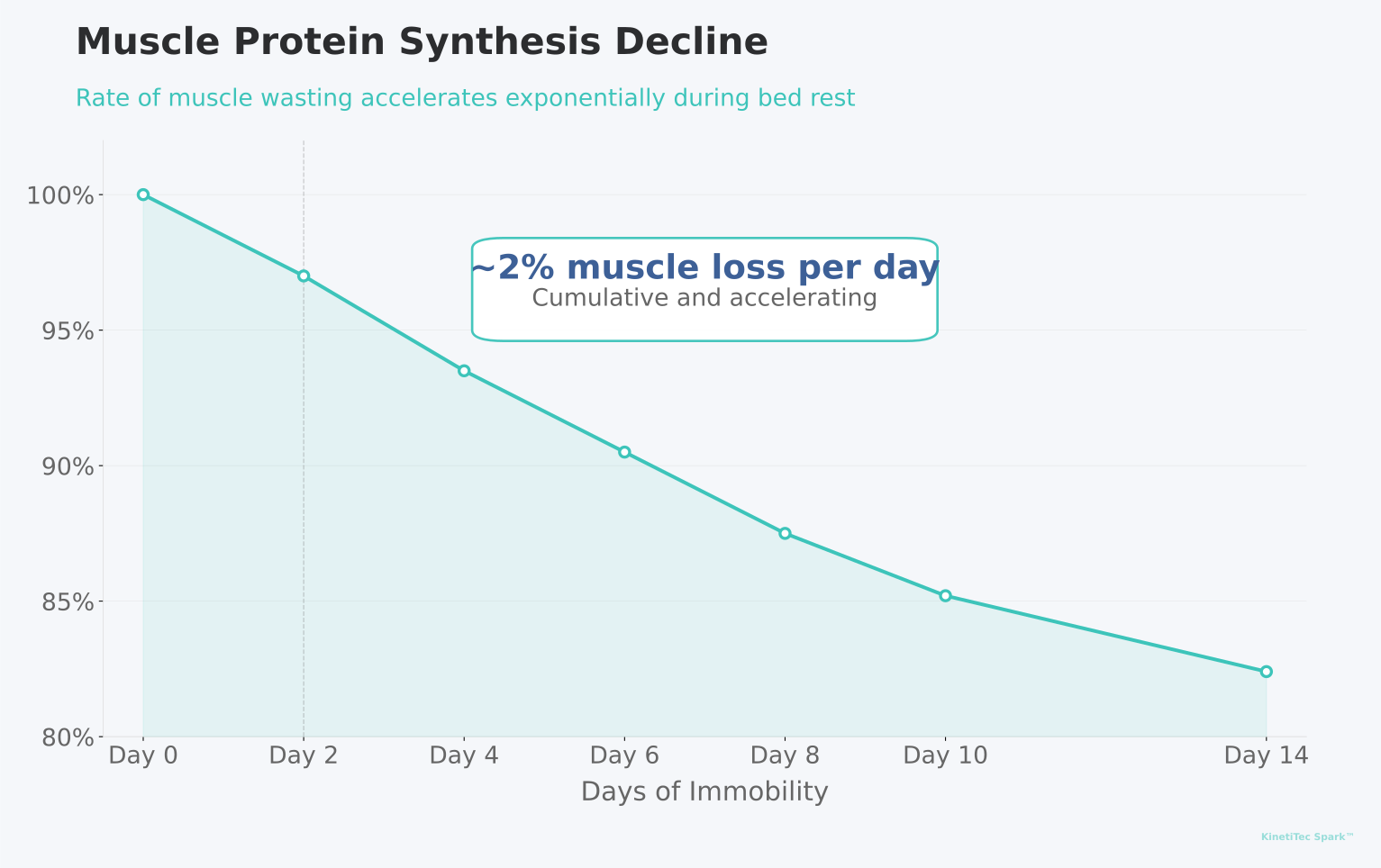
Muscle protein synthesis declines measurably within 48 hours. By day 3, patients are losing approximately 2% of muscle mass per day. This rate accelerates the longer immobility continues.
Timeline — Days 3–5
Functional Decline at Average LOS
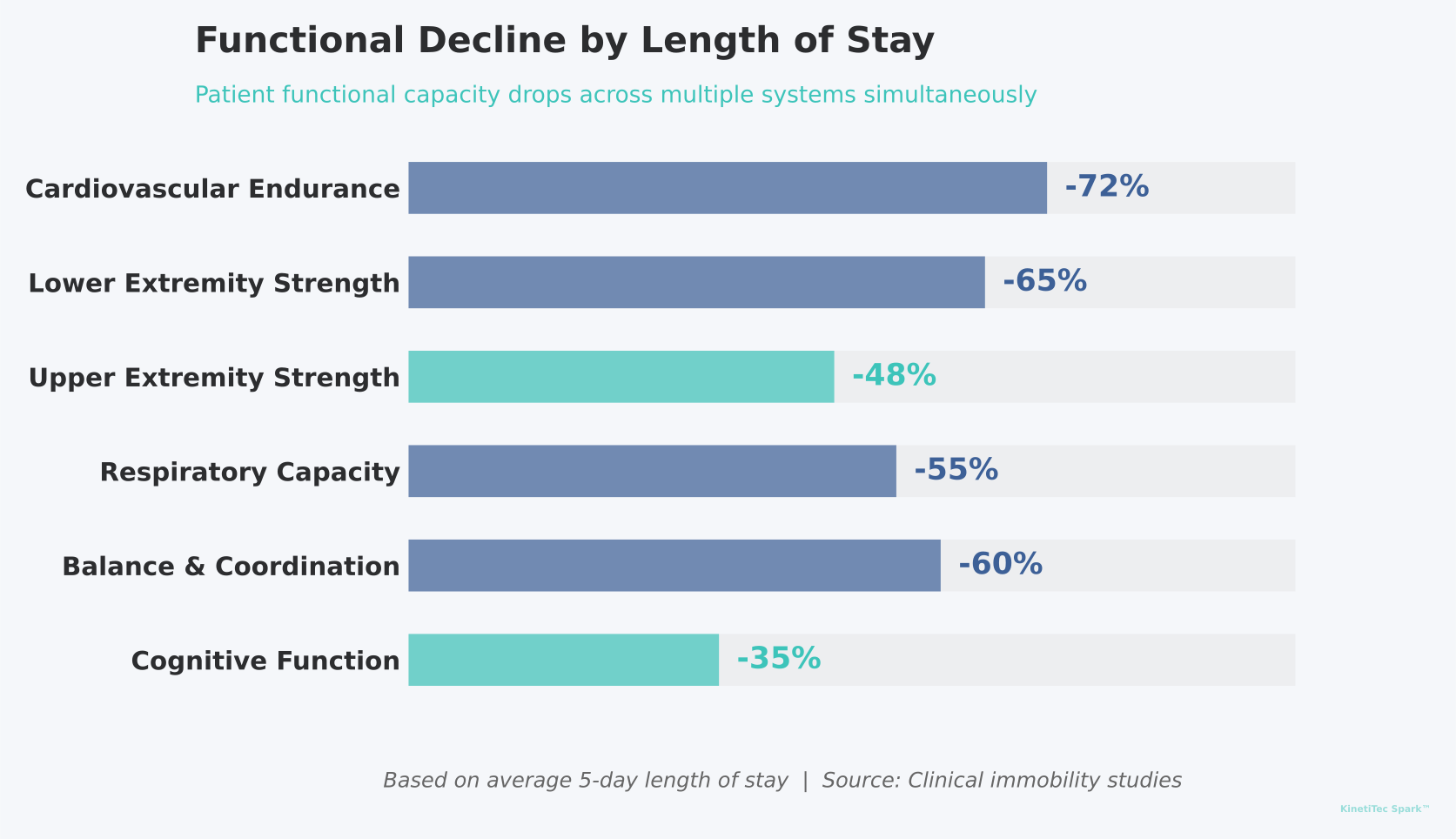
At the average length of stay benchmark, patients have experienced measurable decline across cardiovascular endurance, lower and upper extremity strength, respiratory capacity, balance, and cognition — simultaneously.
Timeline — Day 7+
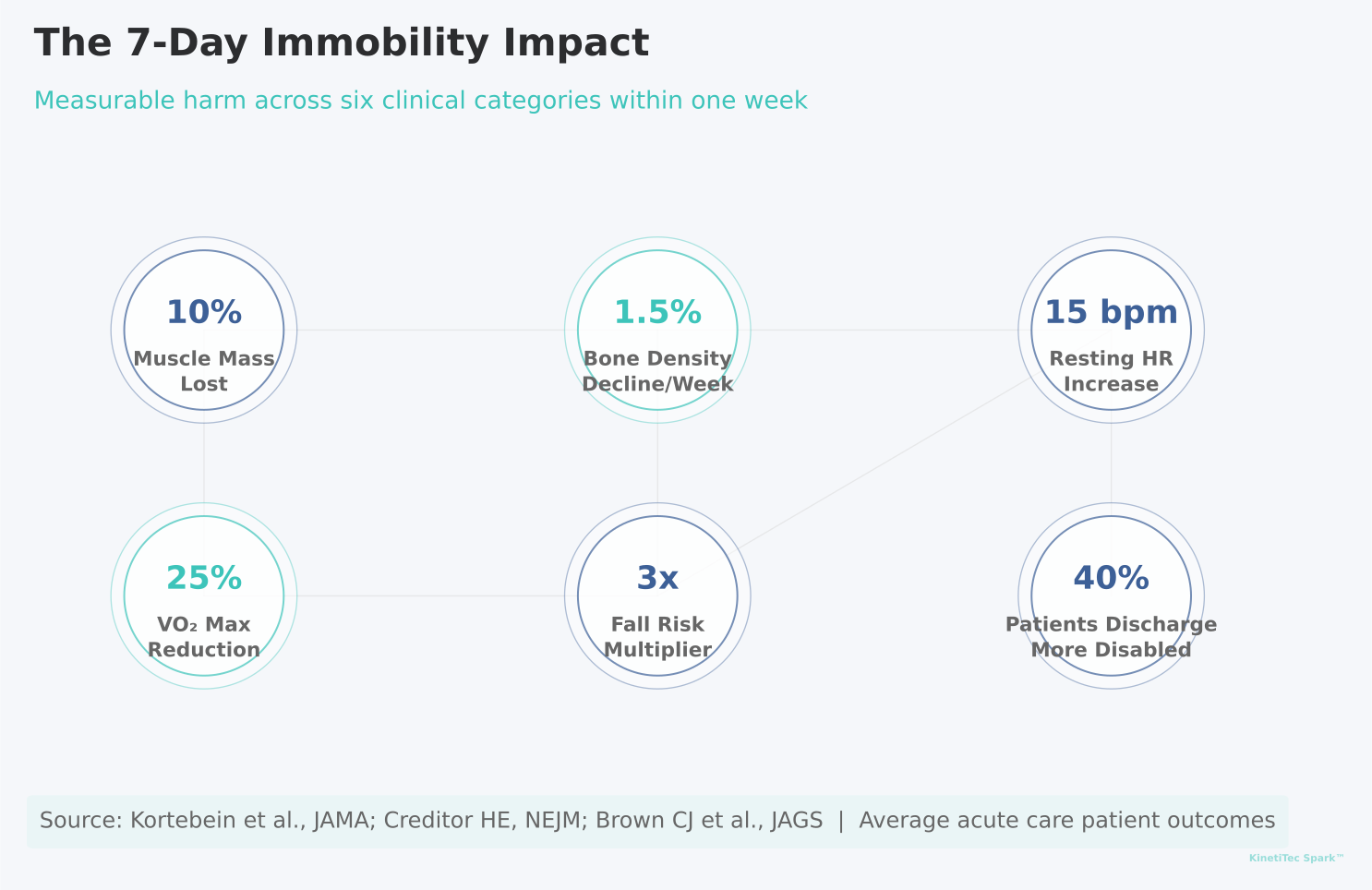
10% Muscle Mass Lost at 7 Days
By one week of immobility, the cumulative impact is clinical: 10% muscle mass loss, 1.5% bone density decline per week, 15 bpm resting heart rate increase, 25% VO₂ max reduction, 3x fall risk multiplier, and 40% of patients discharged more disabled than at admission.
$800M
in annual CMS penalties across 93% of U.S. hospitals — driven by complications associated with patient immobility during hospitalization.
The gap isn't awareness. It's objective capture of resistance sessions.
Hospitals know immobility is harmful. But no system exists to provide active upper and lower body resistance with automatic capture of what's happening or not happening in bed. Without a device to provide in-bed strength maintenance and data, there's no baseline. No trending. No way to intervene before function is lost.
Six categories of avoidable cost. One invisible window.
Published literature associates structured in-bed mobility with impact across all six of these categories.Spark™ provides visibility into this window for the first time.
Length of Stay
Estimated impact of structured in-bed mobility on average patient days. The largest single cost driver associated with immobility complications.
Between admission and ambulation, there is no measurement. No tracking. No visibility into whether a patient is maintaining their strength or losing it.
0
Zero. None. This is the gap.
This is why Spark™ was built.
Spark™ was built to close this gap.
One system. Three functions. The first recumbent device that brings objective measurement to the gap between bed rest and ambulation.